Insights & AI security
Articles, case studies and analysis on protecting data in the age of generative AI.
 Featured
Australia NDB scheme: when an AI prompt becomes an eligible data breach
NDB scheme, 30-day assessment, OAIC notification: how to handle an employee pasting personal information into an AI tool, with a practical playbook.

Congo-Brazzaville banks, customer data and AI in the CEMAC zone
Credit files, statements, ID documents: how banks in Brazzaville can use generative AI without exposing their customers or their compliance standing.

Netherlands Algorithm Register: transparency and AI in municipalities
The Dutch public algorithm register, its tools (IAMA, DPIA) and its limit: everyday use of generative AI by municipal staff, where residents' data can leak.

AI and critical infrastructure in Norway: the Security Act and NSM
Oil, gas, power grids: in Norway, operational data can touch national security. How to govern generative AI under the sikkerhetsloven and NSM guidance.

Mauritania Mining and Gas: AI, Contracts and Geological Data
Iron, gold, gas: in Mauritania, contracts, geological data and staff files sometimes end up in AI tools. Law 2017-020, the APD and the right reflexes.

Namibia mining and fishing: protecting confidential data from AI
Drilling results, contracts, quotas and catch volumes: how mining and fishing companies in Namibia can stop confidential data leaking into generative AI.

The Gambia: Hotels, Remittances and AI, Protecting Customer Data
Coastal hotels and diaspora remittance services in The Gambia now use AI. Simple rules to protect guest and customer data under the 2025 law.

Tunisian banks and insurers: managing generative AI in practice
Law 2004-63, banking Law 2016-48, BCT Circular 2021-05: how Tunisian banks and insurers can manage generative AI and protect customer data in daily work.

Brazil banks and AI: Pix fraud, social engineering and data leaks
Pix fraud, CMN Resolution 4,893/2021, bank secrecy and the LGPD: why Brazilian banks and fintechs need to manage how their staff use generative AI.

DRC copper and cobalt: mining traceability data meets generative AI
Supplier audits, artisanal miner registers, export quotas: in the DRC, copper and cobalt traceability data is ending up in AI prompts as well.

Banking secrecy and AI in Switzerland: banks, FINMA and asset managers
Article 47 of the Banking Act, FINMA circulars and Guidance 08/2024: what Swiss banks and asset managers need to do about AI assistants used by their staff.

AI coding assistants in Sweden: API keys, secrets and source code
Copilot, CLI agents, MCP: Swedish tech teams code with AI every day. How to stop API keys, source code and personal data from leaking into AI tools.
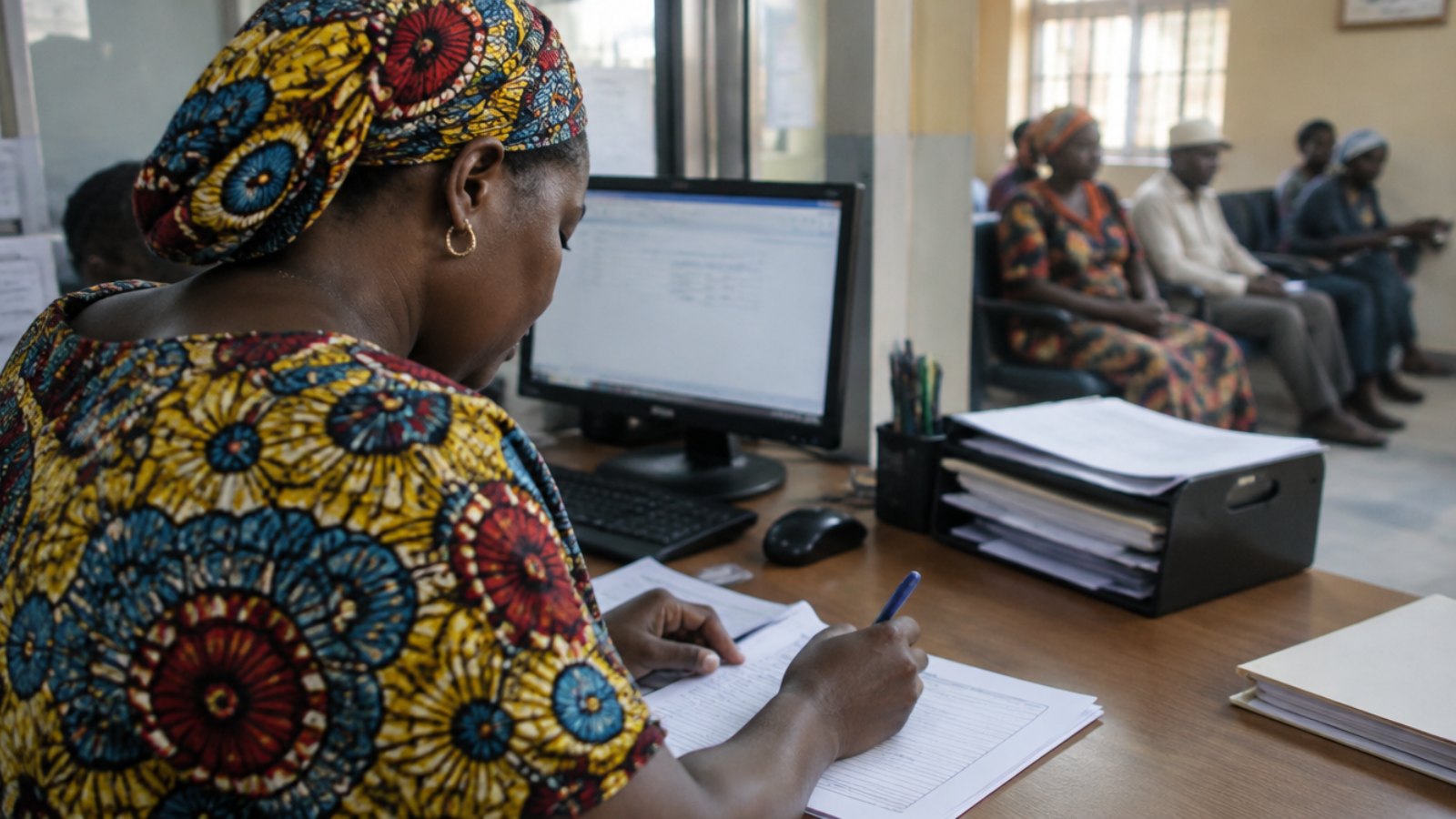
Mali Banks and Microfinance: Using AI Without Exposing Clients
Banks and microfinance institutions in Mali are adopting generative AI. WAMU secrecy, Law 2013-015, the APDP: risky habits and a practical five-step plan.

Port of Lomé and AI: Protecting Freight Forwarder Data in Togo
Invoices, bills of lading, customs files: at the Port of Lomé, shipping documents end up in ChatGPT. How forwarders can protect client and cargo data.

South Africa Joint Standard 2 of 2024: cyber resilience and AI in finance
South African banks and insurers: what the FSCA and Prudential Authority Joint Standard 2 of 2024 on cybersecurity means for generative AI use at work.

Algeria energy sector: AI, strategic data and insider risk
Oil, gas, power and large state companies: in Algeria, AI tools put strategic technical data at risk. How to reduce insider risk without banning AI.

Made in Italy and AI: protecting trade secrets in Italian districts
Industrial districts, fashion, textiles and furniture: how generative AI exposes technical sheets, patterns and supplier lists of Italian small firms.

Gabon oil and gas and AI: reservoir data is leaking through prompts
Seismic, well logs, contracts: in Gabon, oil and gas subcontractors now use generative AI. Which data is at stake, and how to keep it under control.
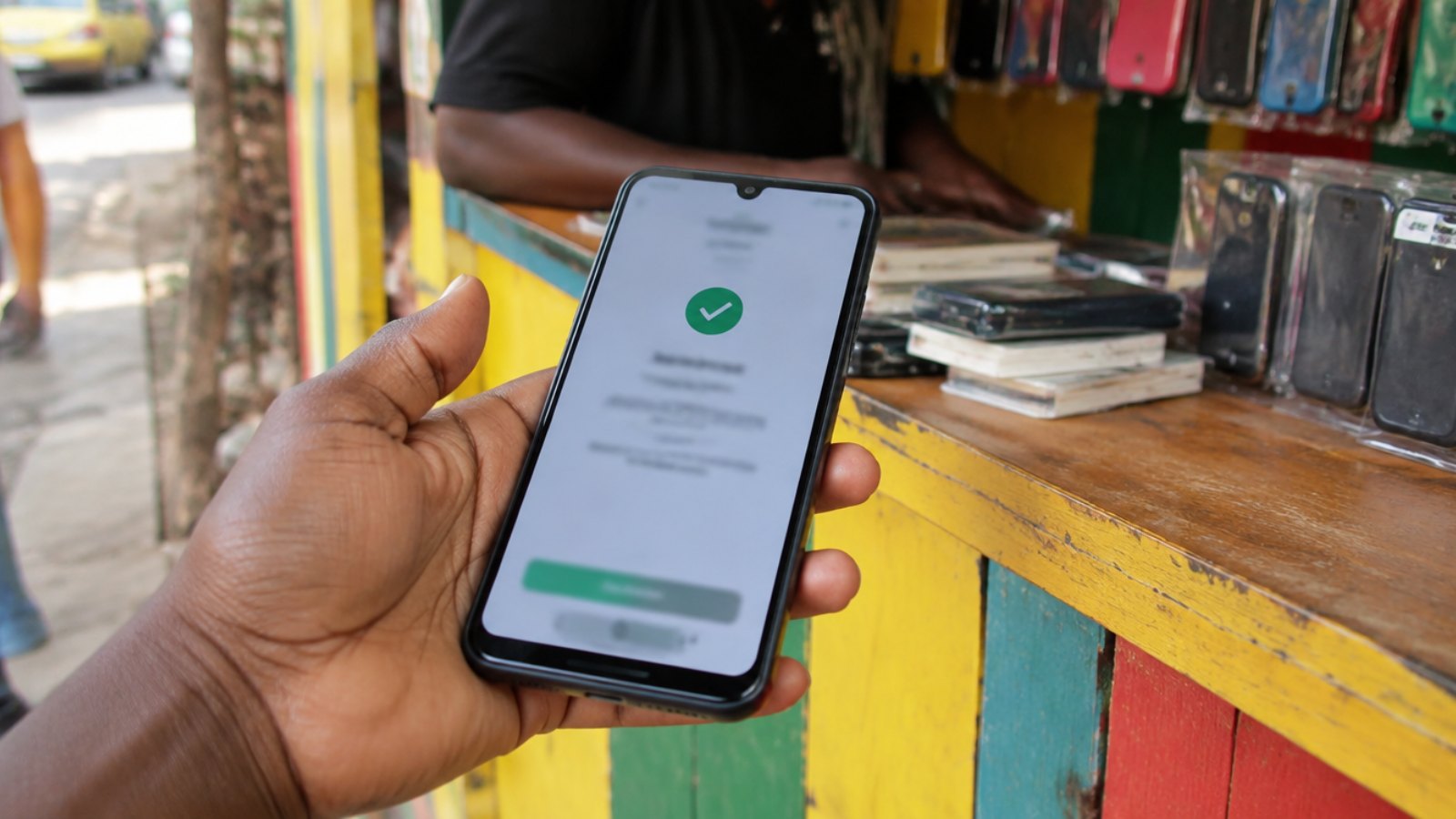
Côte d'Ivoire Telecoms and Mobile Money: AI and Customer Data
Operators, mobile money providers and call centers in Abidjan are adopting AI. Law 2013-450, ARTCI, BCEAO: the risky uses and how to protect subscribers.

Professional secrecy and generative AI in Belgium: lawyers and notaries
Belgian lawyers, notaries and accountants use generative AI. Article 352 of the new Penal Code, bar guidelines and the DPA: the rules for staying compliant.

Benin E-Government and AI: Keeping Citizen Data Sovereign
Benin has built a solid digital state. How to protect citizen data when civil servants and contractors start using generative AI in their daily work.

AI and patient data in the UK: the NHS, the DSPT and Caldicott
Discharge letters, lab results: when clinical staff use generative AI, the DSPT and the Caldicott principles apply. A practical guide for NHS providers.

Tanzania tourism: passports, bookings and generative AI
Safari operators, Arusha lodges, Zanzibar hotels: how to protect guest passports and booking data when your staff use ChatGPT and other AI tools.
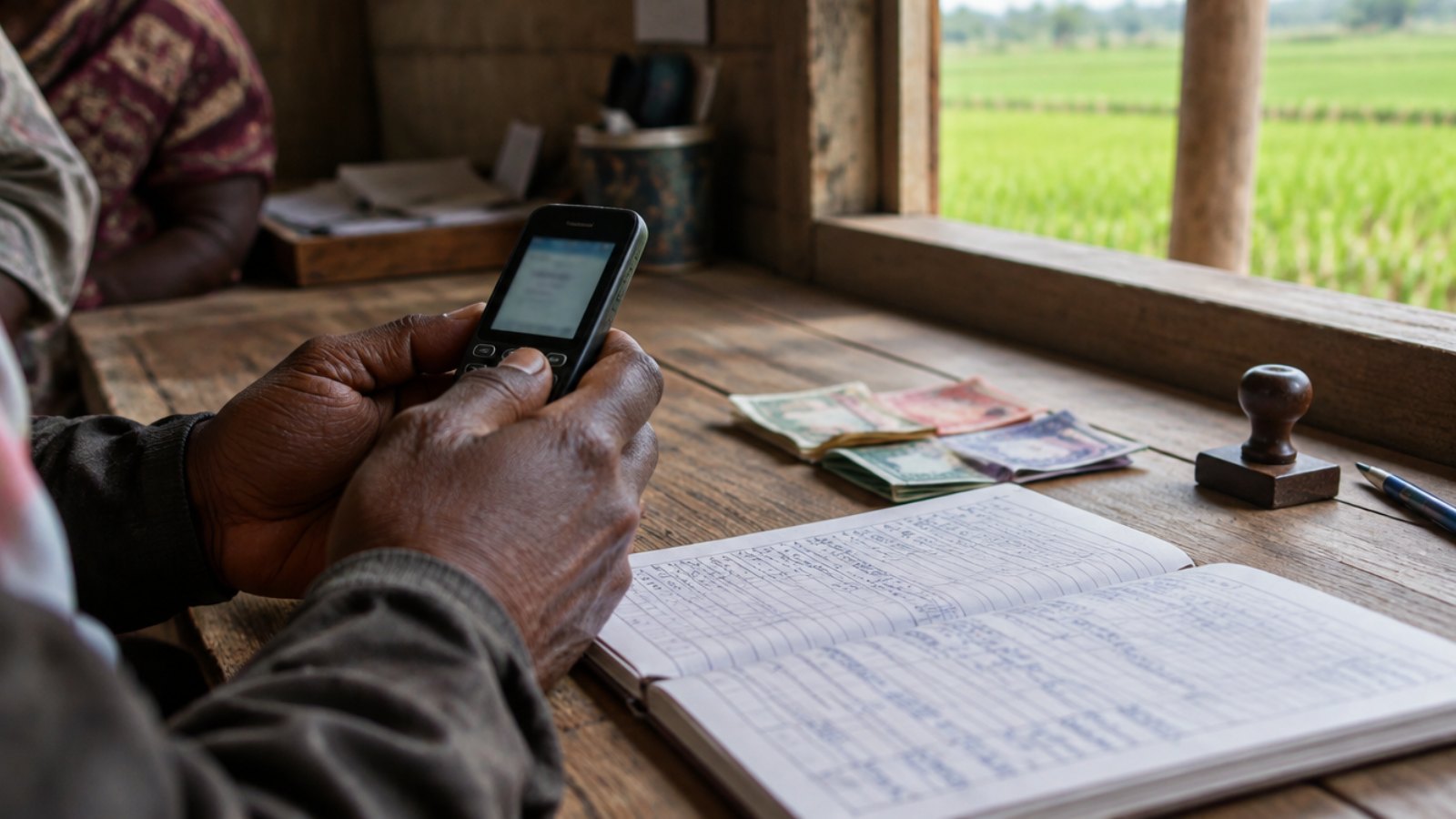
Madagascar microfinance and mobile money: AI and rural customer data
MVola, Orange Money, microloans: generative AI is entering Malagasy microfinance. How to protect rural customers' data under Law 2014-038 and CSBF rules.

Spain hotels and AI: guest register data, passports and prompts
Royal Decree 933/2021, SES.HOSPEDAJES, reviews and guest emails: how Spanish hotels and travel agencies can use AI without leaking passports or cards.

Senegal Public Administration and Generative AI: Protecting Government Data
New Deal Technologique, national cloud, Law 2008-12: how Senegal's public bodies can let civil servants use AI without exposing citizens' and State data.

Nigeria AI coding assistants: API keys, BVN test data and the NDPA
API keys, fake BVNs that turn out to be real, source code: what Lagos developers send to AI assistants, and what the NDPA 2023 expects from tech teams.
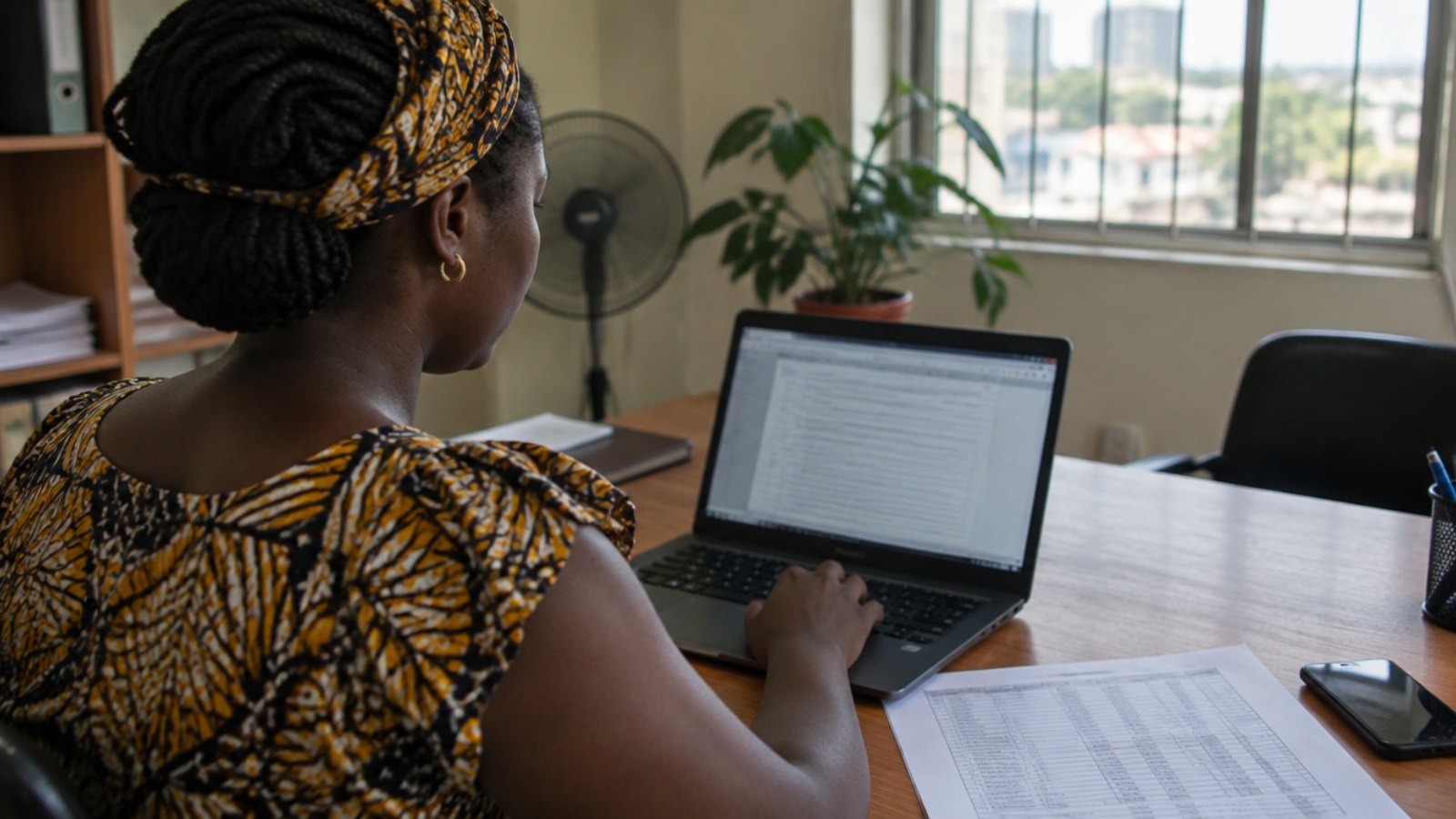
AI and Staff Behaviour in Guinea: Why Training Is Not Enough
In Guinea, AI data leaks come from busy employees, not hackers. Why awareness training fails and how a nudge at the moment of risk changes habits.

Generative AI in French hospitals: medical secrecy, HDS and the CNIL
Reports, letters, translations: when clinicians and clinics in France use generative AI, medical secrecy, HDS certification and the GDPR all still apply.

Trade secrets and AI in Germany: the GeschGehG for the Mittelstand
Drawings, supplier prices, process data: Germany's GeschGehG only protects secrets that are actively guarded. How the Mittelstand can control generative AI.

NGOs in Uganda: protecting beneficiary data from AI tools
Refugees, case notes, distribution lists: what Uganda's 2019 Act and the PDPO require from NGOs and aid agencies that use ChatGPT and generative AI.

Australia and generative AI: what the OAIC and the Privacy Act require
The Privacy Act 1988, the APPs, OAIC guidance on AI products, the 2024 reforms, TFNs and Medicare numbers: what Australian organisations need to know.

AI in Norway: when workplace trust leads employees to overshare
In Norway, a high-trust culture speeds up AI adoption and oversharing alike. GDPR via the EEA, Datatilsynet: how to guide employees instead of banning AI.

Mauritania Law 2017-020: APD Rules and Generative AI Risks
In Mauritania, Law 2017-020 applies to generative AI. The APD, the national AI strategy, mining, banking and telecoms: the risks and the right reflexes.

Congo-Brazzaville Law 29-2019 and AI: building governance that holds
Brazzaville and Pointe-Noire: how companies in the Republic of the Congo can govern ChatGPT and Copilot use under Law 29-2019 on personal data protection.
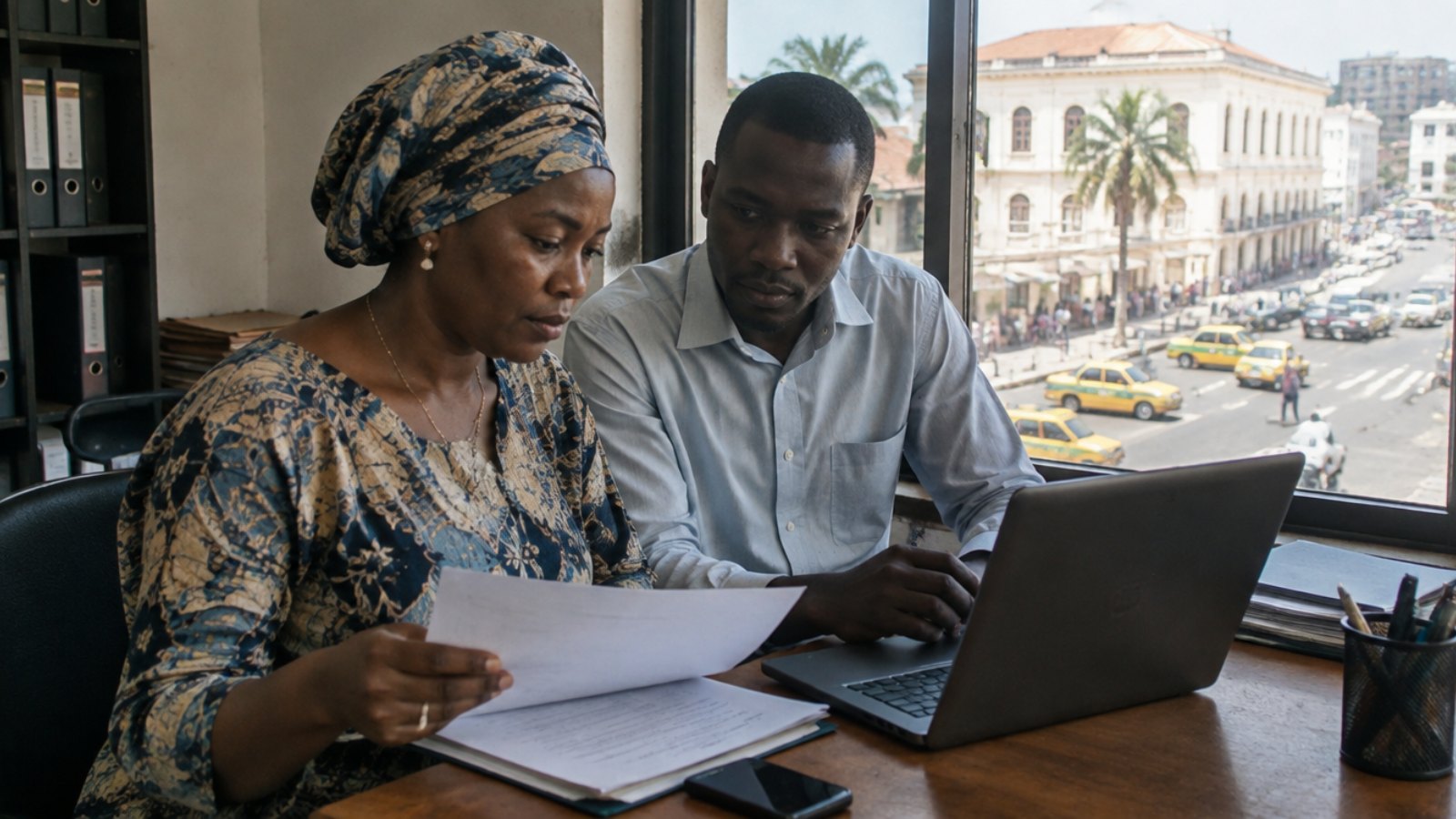
The Gambia's New Data Protection Law and AI: Why Act Now
The Gambia finally has a personal data law. What it provides, the ECOWAS framework and why companies should govern AI use before the regulator is ready.

Namibia AI governance: getting ready before the data protection law
Data Protection Bill, Article 13 of the Constitution, shadow AI: why Namibian companies should start governing how their teams use AI tools right now.

AI chatbot data breaches in the Netherlands: lessons from the Dutch AP
A GP practice, a telecom firm, the municipality of Eindhoven: chatbot data breaches reported to the Dutch AP, what the law requires and how to prevent them.

Brazil LGPD: detecting CPF and other identifiers before they reach AI
LGPD, the ANPD, PL 2338/2023 and Brazilian identifiers: how to detect and anonymise CPF, CNPJ or CNS numbers before they reach generative AI tools.

Mali Law 2013-015: APDP and Data Sovereignty in the Age of AI
In Mali, every prompt sent to an AI tool can move data out of the country. Law 2013-015, the APDP and transfer rules: how to keep control of your data.

AI in the Swedish public sector: municipalities, IMY and secrecy
Swedish municipalities are adopting generative AI. IMY, offentlighetsprincipen and OSL: the real risks of pasting citizen data into an AI assistant at work.

DRC Digital Code 2023 and AI: the new rules on personal data
Telecoms, mobile money, mining: what the DRC's 2023 Digital Code requires from companies that use ChatGPT or Copilot on customer data, and how to prepare.

Togo Law 2019-014 and AI: What the IPDCP Expects from Companies
The IPDCP has been active since March 2025. What Togo's Law 2019-014 requires from companies that use ChatGPT, Copilot or Gemini with personal data.

Tunisia Law 2004-63 and AI: the challenge for offshore developers
Copilot, Claude Code, ChatGPT: offshore teams in Tunisia now code with AI on their clients' data. What Organic Law 2004-63 and the INPDP say, and what to do.

South African ID numbers and POPIA: detect and anonymise before AI
Date of birth, gender, citizenship: what a South African ID number reveals, and how to detect and anonymise it before it reaches ChatGPT or other AI tools.

Swiss nFADP and generative AI: sovereignty, transfers and secrecy
The FDPIC says the revised FADP applies to AI. Transfers abroad, banking secrecy, professional secrecy: how Swiss firms can use ChatGPT and stay in control.

Italy: what the Garante and Law 132/2025 mean for employers using AI
ChatGPT limited in 2023, a 15 million euro fine for OpenAI, then Law 132/2025: what Italy now expects from employers whose staff use generative AI.

Côte d'Ivoire Law 2013-450: ARTCI Compliance for Generative AI
In Côte d'Ivoire, generative AI falls under Law 2013-450. Declaration, authorization, transfers, correspondent: what ARTCI expects from companies in 2026.

AI in the UK: UK GDPR, the ICO and the EU AI Act in practice
UK GDPR, the Data (Use and Access) Act 2025, ICO guidance and the EU AI Act: what UK firms using AI and selling into the EU need to know about prompts and data.

Gabon Law 001/2011 and AI: where is your teams' data really going?
Oil, banking, government: in Gabon, every prompt sent to ChatGPT is a transfer out of the country. What Law 001/2011 and the APDPVP say, and what to do.

Tanzania Personal Data Protection Act 2022, PDPC and AI at work
PDPC registration, transfers abroad, automated decisions: what Tanzania's Personal Data Protection Act 2022 means for companies whose teams use AI tools.

Benin Digital Code and AI: A Practical Checklist for Companies
Law 2017-20, APDP, register, transfers: a 10-point checklist to use ChatGPT and Copilot in Benin without exposing customer data or breaking the rules.

Generative AI in Belgium: GDPR, NIS2 and board level AI governance
AI translation across French, Dutch and English, the GDPR, Belgium's NIS2 law and the CCB: what Belgian boards must demand to keep generative AI under control.
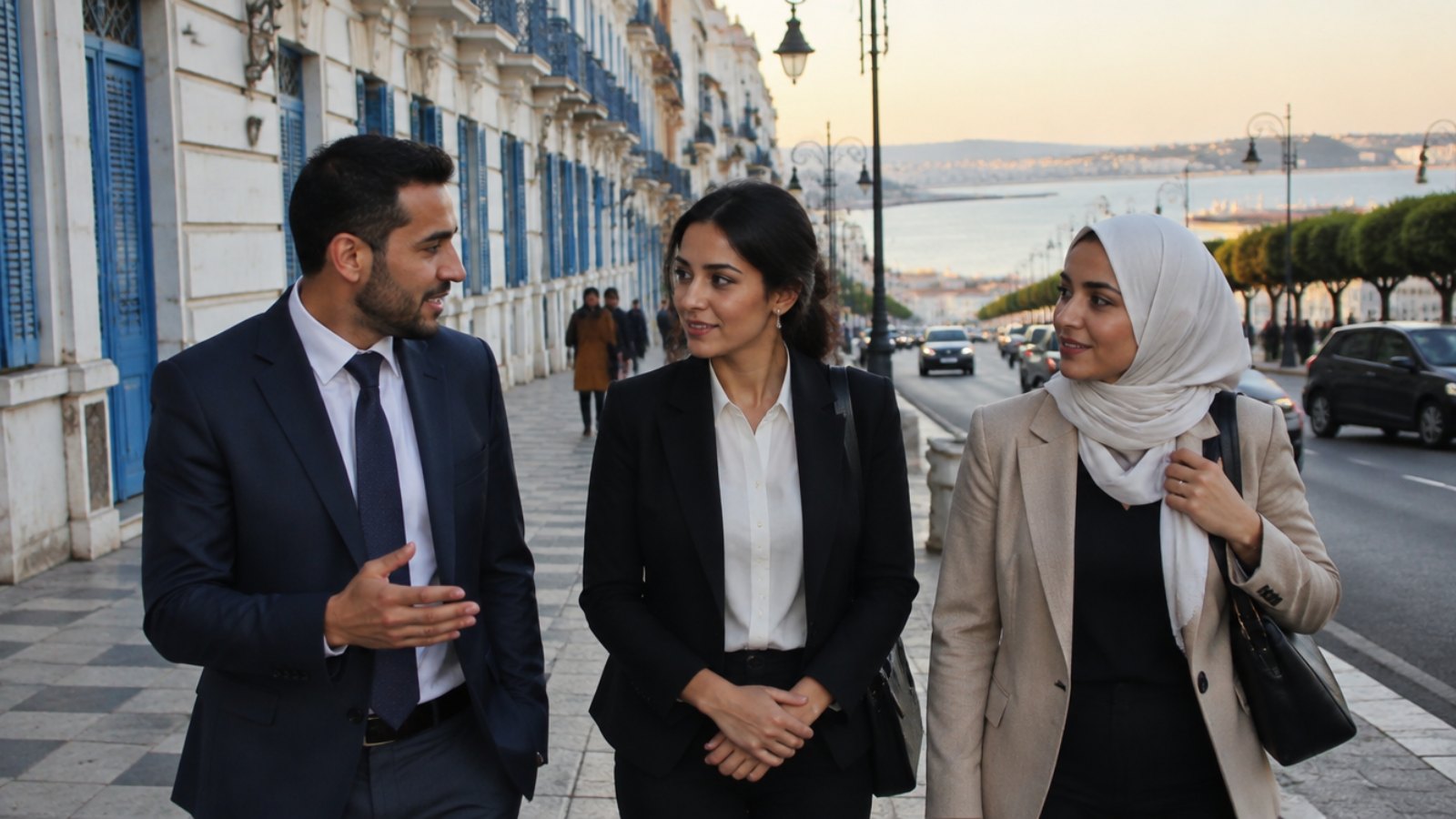
Algeria Law 18-07 and generative AI: what the ANPDP expects from companies
Prior declaration, authorization for transfers, a mandatory DPO: what Law 18-07 and the ANPDP mean when your teams in Algeria use ChatGPT, Copilot or Gemini.

Spain and the AI Act: what AESIA and the AEPD expect from companies
Spain created AESIA, the EU's first national AI supervisory agency. What companies must prepare, with the AEPD and the LOPDGDD, as the AI Act phases in.

Senegal Banks and Fintechs: Generative AI and Banking Secrecy
Banks, microfinance and mobile money players in Senegal are adopting generative AI. WAMU banking secrecy, Law 2008-12, the CDP: risks and a clear plan.

Generative AI in Germany: rolling it out with the works council
In Germany, generative AI goes through the Betriebsrat. BetrVG, DSK guidance, GDPR: how to build a solid works agreement and fit AI DLP into it from day one.

Guinea Law L/2016/037: Build AI Governance Before the Regulator Does
Mining, telecoms, services: AI is already inside Guinean companies. What Law L/2016/037 requires and how to get organized before the authority is ready.

Generative AI and the CNIL: what companies in France must do
ChatGPT at work, DPIAs, internal policy, choosing the tool: what the CNIL expects from French companies using generative AI, and how to comply in practice.

Nigeria NDPA 2023 and generative AI: what fintech teams need to know
NDPA 2023, the NDPC's GAID directive, BVN and NIN: how Nigerian fintechs and banks can use ChatGPT or Copilot without exposing their customers' data.

Uganda Data Protection Act 2019 and AI: a PDPO compliance guide
NIN, mobile money, ChatGPT: what Uganda's Data Protection and Privacy Act 2019 and the PDPO expect from companies whose teams use generative AI at work.

Madagascar Law 2014-038 and AI: protecting client data in offshoring
Call centers and BPOs in Antananarivo handle French client data with AI tools. What Law 2014-038, the CMIL and the GDPR require, and how to act on it today.

Senegal Law 2008-12 and Generative AI: A Compliance Guide for Businesses
ChatGPT, Copilot, Gemini: your teams in Senegal already use AI. What Law 2008-12 and the CDP require, the risky situations and a concrete action plan.

Generative AI in West Africa: How to Protect Your Sensitive Data
Senegal, Côte d'Ivoire, Benin: every prompt sent to ChatGPT can become an unlawful data transfer. Legal framework, real risks and how AI DLP helps.

From Monitor to Block: A 90-Day Rollout Playbook for AI DLP
A week-by-week 90-day rollout for AI DLP in a 500-person company. Who does what, what success looks like, what to say to HR, legal, the CFO and the executive sponsor.

Sovereign AI: Why European CISOs Are Rejecting US-Cloud DLP
Schrems II, FISA 702, the CLOUD Act and CNIL enforcement have changed the math. A practical guide to deciding when a US-hosted AI DLP vendor is no longer acceptable.

NIS2 Has Teeth: How the New Directive Changes AI Data Handling
NIS2 forces a 24-hour CSIRT warning when an employee leaks data into ChatGPT. Here is who is in scope, what counts as a significant incident, and what evidence you must produce.

Why AI Security Training Doesn't Work (and What Actually Does)
Annual awareness modules don't change behavior at the moment someone pastes a customer list into ChatGPT. Here is what behavioral science says actually moves the needle.

CLI-Driven AI: How Claude Code, Cursor, and Copilot CLI Expose Your Secrets
Agentic CLI tools read your files and ship them to a cloud LLM. Here are the concrete leak vectors and how to scan the read path, not just the write path.

The Hidden Threat in MCP Servers: Why MCP Needs Its Own DLP Layer
Model Context Protocol is the new wire format between agents and tools. Browser DLP cannot see it. Here is what an MCP-aware DLP layer actually looks like.

Prompt Injection: The Top 5 Attack Patterns Hitting AI Agents in 2026
A field-level breakdown of the five prompt injection patterns we are seeing most against production AI agents in 2026, with detection signatures and concrete mitigations.

Format-Preserving Anonymization: Why XXXX Breaks Your AI Pipeline
Replacing 4532-1488-0343-6467 with XXXX-XXXX-XXXX-XXXX is the laziest possible redaction and it silently breaks every downstream LLM answer. Here is what to do instead.

EU AI Act + GDPR Article 32: A 12-Item Compliance Checklist
Regulators do not ask if you have AI policies. They ask for evidence those policies are followed. A 12-item checklist mapping the EU AI Act to GDPR Article 32, with the artifacts auditors actually want.

The Anatomy of an AI Data Leak: Three Stories from Our Telemetry
Three real, anonymized AI data leaks from our customer telemetry: AWS keys in Copilot, customer PII in ChatGPT, and proprietary code in Claude. What we saw, what fired, what changed.

Why Email DLP Fails on ChatGPT (and what works instead)
Legacy proxy and gateway DLP cannot read encrypted browser traffic to ChatGPT, Claude or Gemini. Here is why, and the only architecture that does.

The Real Cost of Shadow AI in 2026
European CISOs underestimate shadow AI volume by 4 to 6 times. Here is what the data actually says, and the three metrics you should be measuring this quarter.