Namibia mining and fishing: protecting confidential data from AI
Drilling results, contracts, quotas and catch volumes: how mining and fishing companies in Namibia can stop confidential data leaking into generative AI.
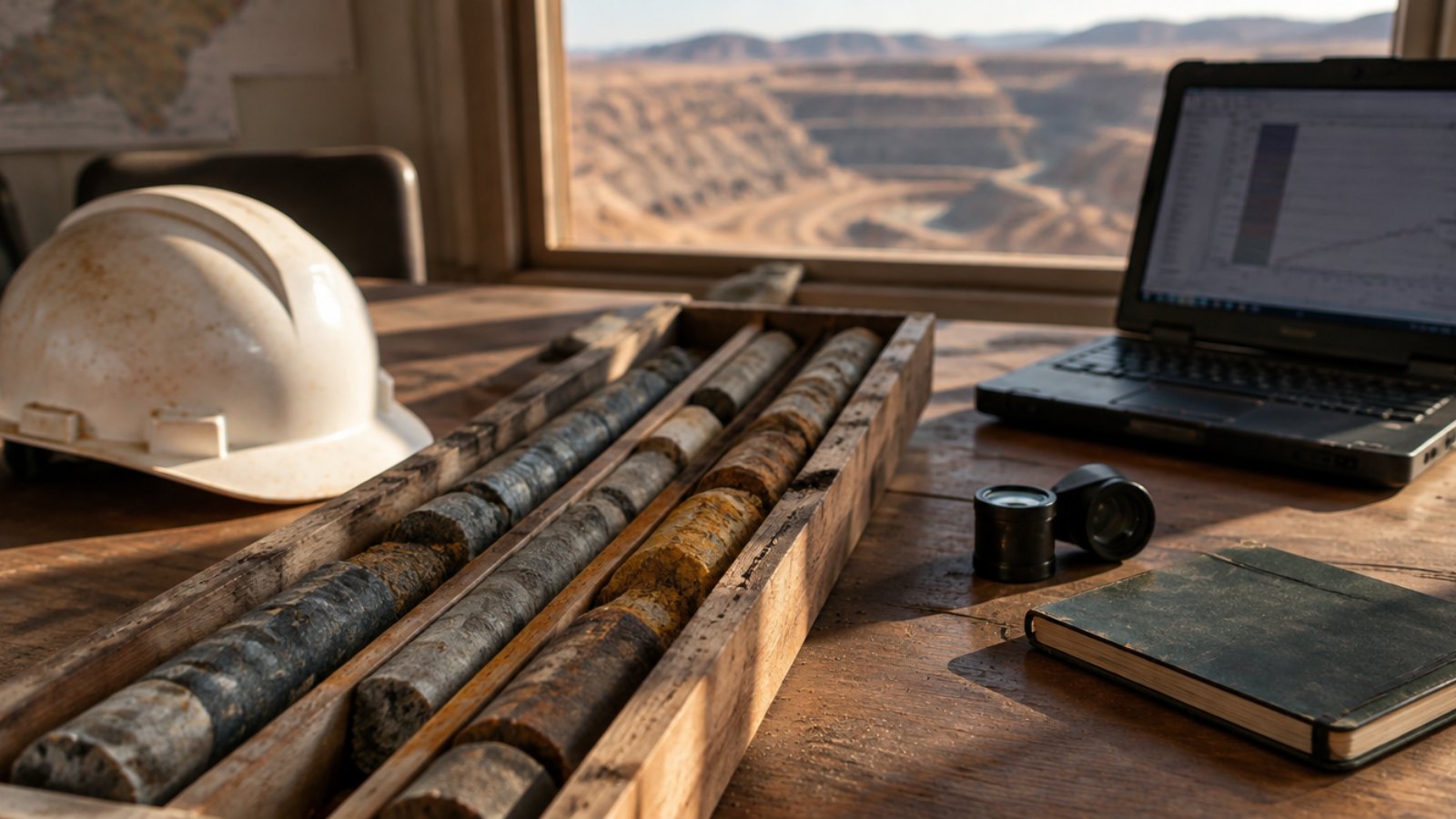
At a mine site in the Erongo region, a geologist has to present the latest drilling results to management the next morning. He pastes grades, borehole coordinates and his notes into an AI assistant to get a polished summary. In Walvis Bay, an export manager at a fishing company does the same with a spreadsheet of volumes, prices and buyers to prepare an offer. There is little or no personal data in these files. Yet they hold some of the most valuable information the company owns.
In Namibia, the debate on AI and data often centres on the future personal data protection law. For mining and fishing groups, the more immediate risk lies elsewhere: confidential operational and commercial information leaking into AI tools hosted abroad.
Two pillars of Namibia's economy
According to figures presented by the Chamber of Mines of Namibia at its 2026 conference, mining accounted for 14% of GDP in 2025. Mineral sales exceeded 64 billion Namibian dollars, up 25% on the year, and the sector directly employs more than 20,000 people. Diamonds remain iconic, even though they fell back in 2025, while uranium and gold grew strongly.
Fishing is the country's other major export industry. From Walvis Bay and Lüderitz, companies ship hake and horse mackerel in particular to Europe, Africa and Asia, under quotas allocated by the state. In both sectors, much of a company's value rests on information it never publishes.
Confidential data that is not personal
Data protection policies tend to focus on names, ID numbers and contact details. In mining and fishing, the most sensitive data is of a different kind:
drilling results, grades, geological models and resource estimates;
offtake contracts, negotiated prices and terms with foreign buyers;
catch volumes, vessel positions, quota allocations and fishing strategies;
production plans, operating costs and investment projects;
safety incident reports and environmental audit data.
For listed companies, in Windhoek or on a foreign exchange, some of this is also inside information. Letting it circulate without any control creates a problem that goes well beyond data protection.
Personal data is still there
These companies also process sensitive personal data: medical records and exposure monitoring for workers, payroll data, crew lists, contractor information. Article 13 of the Namibian Constitution protects the right to privacy while the data protection law is still pending. The current framework and the timetable of the bill are covered in our article on AI governance in Namibia ahead of the data protection law.

How this data ends up in a chatbot
Nobody decides to disclose a geological model. Leaks come from ordinary actions meant to save time:
Summarising a report, whether technical or from a board meeting.
Translating a contract or an exchange with an Asian buyer.
Analysing a spreadsheet of production, catch or sales to build charts.
Drafting a presentation for investors from internal documents.
Each time, the content goes to servers outside Namibia, with no inventory and no trail. The full scenario is described in our anatomy of an AI data leak. And traditional network tools struggle to see this traffic, as we explain in why email and network DLP fails on ChatGPT.
Remote sites, mobile teams
Namibian mines are often far from towns, and fishing crews spend weeks at sea. Engineers and managers work from laptops, sometimes over personal or satellite connections, moving between the site, Windhoek and a head office abroad. In these conditions, central control at the corporate network level is not enough. Protection has to follow the user on their device.
Contractors add another layer. Engineering firms, assay laboratories, consultants and joint venture partners also receive sensitive data. An AI use policy should therefore spell out what these third parties may do with the documents they are given, not only what employees do.
Banning AI would also backfire. Technical teams save real time with it. The better approach is to define what must never leave and to replace or mask that information automatically. Our article on format preserving anonymization shows how to keep answers useful while protecting sensitive values.
How ZeusLock protects industrial data
ZeusLock runs directly on devices and browsers, at the office or on site. Before a prompt or file reaches ChatGPT, Copilot, Gemini or Claude, it detects personal data as well as the information you define as confidential: project names, deposits, clients, contract terms, internal references. Depending on your rules, it anonymises them, alerts the user or blocks the request. Every event is logged, giving you a clear picture of real usage and evidence of control for auditors, partners and shareholders.
Summary
For Namibian mining and fishing companies, the AI question goes beyond the future personal data law. Their drilling results, contracts and catch data are worth a great deal, and they can leave in a single copy and paste. Putting technical rules in place now protects both their commercial edge and their future compliance.
Do you run a mining or fishing company in Namibia? Book a ZeusLock demo and see how to protect your confidential data.
Protect your data from AI leaks
See ZeusLock stop sensitive data before it reaches ChatGPT, Claude, Gemini and more, in a 30-minute demo.