Mauritania Mining and Gas: AI, Contracts and Geological Data
Iron, gold, gas: in Mauritania, contracts, geological data and staff files sometimes end up in AI tools. Law 2017-020, the APD and the right reflexes.
In an office in Nouakchott, an in-house lawyer must send the English version of an amendment to a mining contract that same evening. The document contains planned volumes, prices, confidentiality clauses and the names of the foreign partner's representatives. She pastes it into an AI-powered online translator. Ten seconds later, the translation is ready. The contract, meanwhile, has left the company.
In Mauritania's extractive sector, this kind of action is far from harmless. The information at stake is often worth millions, and its confidentiality is written in black and white into the contracts.
A sector that weighs heavily on the economy
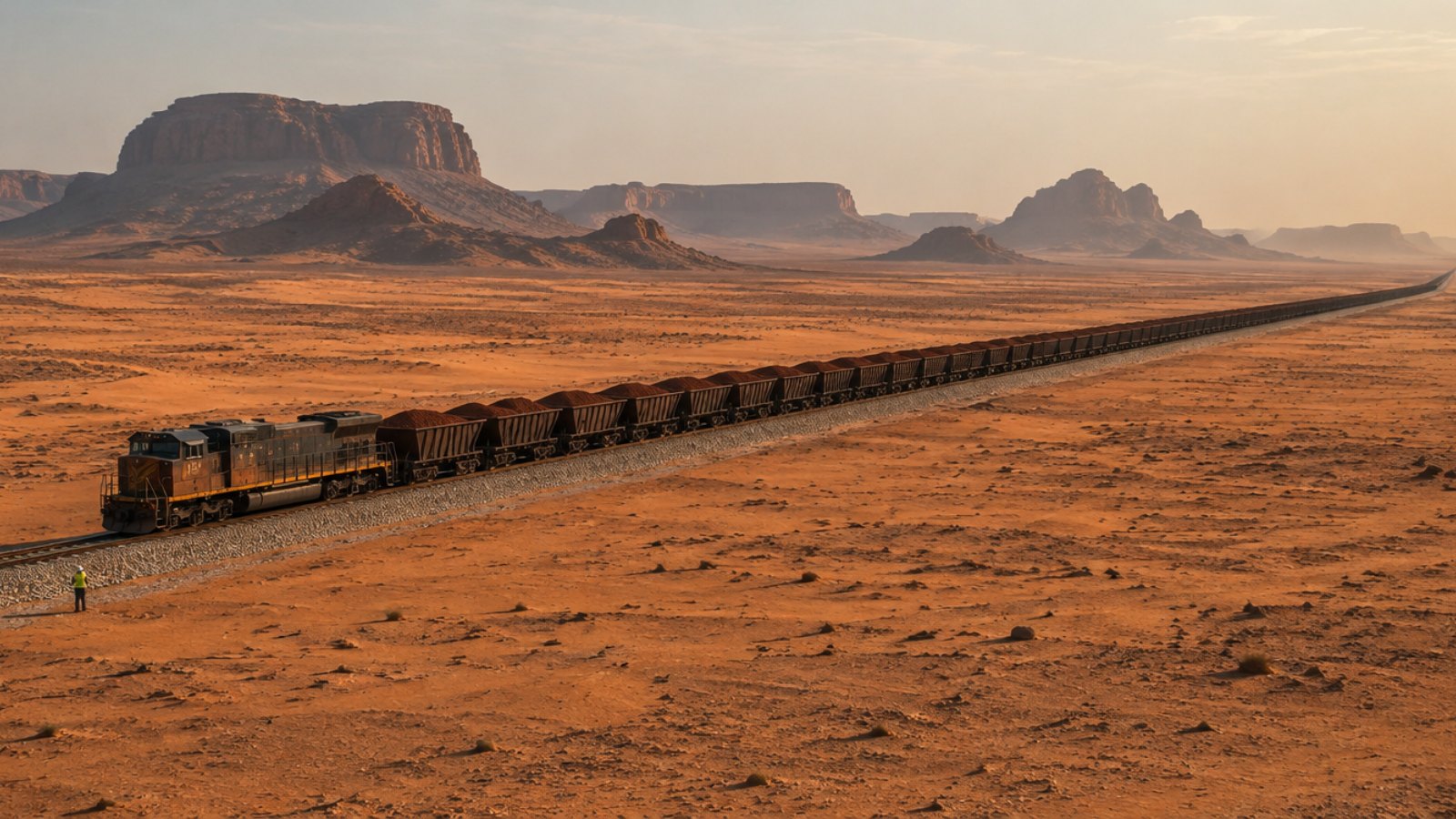
Mauritania is a mining country and, more recently, a gas producer. The Société Nationale Industrielle et Minière (SNIM), majority owned by the State, mines iron ore in the Zouérate region and carries it by train to the port of Nouadhibou. It produced a record 14.3 million tonnes in 2024 and aims for 24 million tonnes by 2031. In late 2025, the European Investment Bank and the African Development Bank announced 275 million dollars in loans to upgrade this railway line.
Gold also plays an important role, notably with the Tasiast mine. And in April 2025, the Greater Tortue Ahmeyim gas project, shared with Senegal and developed by bp and Kosmos Energy, exported its first cargo of liquefied natural gas.
Highly coveted information
In a mining or gas company, or among its contractors, several categories of data deserve special protection:
Contracts with the State, partners and buyers: prices, volumes, tax clauses, financing terms.
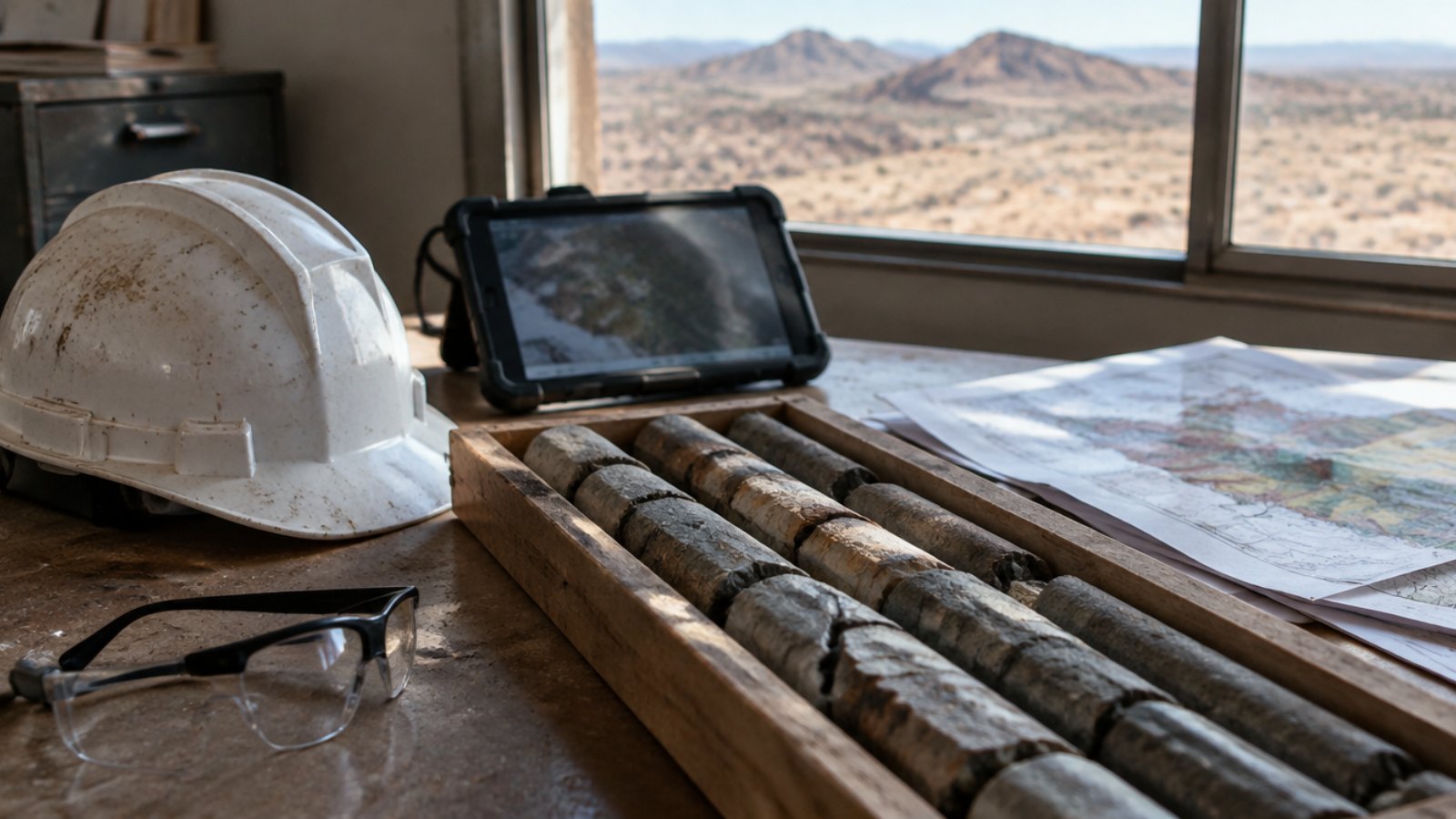
Geological data: drilling results, grades, deposit models, feasibility studies.
Production data: yields, incidents, maintenance plans.
Personal data of employees, contractors and local communities, including medical records and site access logs.
Some of this information falls under trade secrets and contractual commitments. Some falls under Law No. 2017-020 on the protection of personal data, overseen by the Autorité de Protection des Données à caractère Personnel (APD). For details of this framework, read our article on Law 2017-020 and the APD.
How AI finds its way onto sites and into head office
Teams in the extractive sector work in several languages, often far from head office, with international partners. Generative AI genuinely helps them. The most common uses are also the most exposed:
translating a contract or correspondence between Arabic, French and English;
summarizing a geological report or a feasibility study before a meeting;
analyzing a production or cost table exported from business software;
writing an incident report that names the people involved;
fixing a script or a configuration file for an industrial system.
That last case is often underestimated. Coding assistants and command line tools can carry off access keys or credentials without anyone noticing, as we explain in CLI AI tools leak your secrets.
The risk for the company and its partners
A leak of geological or contractual data is not visible right away. Yet it can weaken a negotiating position, expose a partner or breach a confidentiality clause. When personal data is involved, it can also amount to an uncontrolled transfer abroad under Law 2017-020, which limits such transfers to countries offering an adequate level of protection.
The sector also relies on many contractors: engineering firms, drilling companies, transporters, law firms. Each receives part of the documents, and each may use its own AI tools. Protection must therefore cover the whole chain, not just the company's own employees.
The cost of these silent leaks is rarely measured. We tried to estimate it in The real cost of Shadow AI in 2026.
The right reflexes for the extractive sector
Identify the most sensitive documents: contracts, drilling data, financing plans, medical records.
List the AI tools used at head office, on sites and by contractors.
Cover AI in contracts with partners and service providers, especially in confidentiality clauses.
Check the formalities with the APD for the personal data processing involved.
Protect at the source: automatically replace sensitive names, figures and references before sending.
Keep a record of every incident avoided for audits and partners.
What ZeusLock does
ZeusLock runs on the computers and browsers of teams at head office and on site. It detects sensitive data in real time in the prompts and files sent to ChatGPT, Copilot, Gemini or Claude: names, amounts, coordinates, technical credentials. Depending on your rules, it anonymizes them while keeping their format, warns the user or blocks the upload. The lawyer gets her translation, but the real figures and names stay inside. To understand the technique, read our article on format preserving anonymization. Every event is logged.
In short
Iron, gold and gas make Mauritania a country where data carries high strategic value. Generative AI helps teams translate, summarize and analyze, but every prompt can let a contract, a drilling result or employee data slip out. Law 2017-020, the APD and confidentiality clauses set the framework. It is up to companies to equip themselves so they can benefit without exposing themselves.
Do you work in the mining or gas sector in Mauritania? Request a ZeusLock demo.
Protect your data from AI leaks
See ZeusLock stop sensitive data before it reaches ChatGPT, Claude, Gemini and more, in a 30-minute demo.