Gabon oil and gas and AI: reservoir data is leaking through prompts
Seismic, well logs, contracts: in Gabon, oil and gas subcontractors now use generative AI. Which data is at stake, and how to keep it under control.
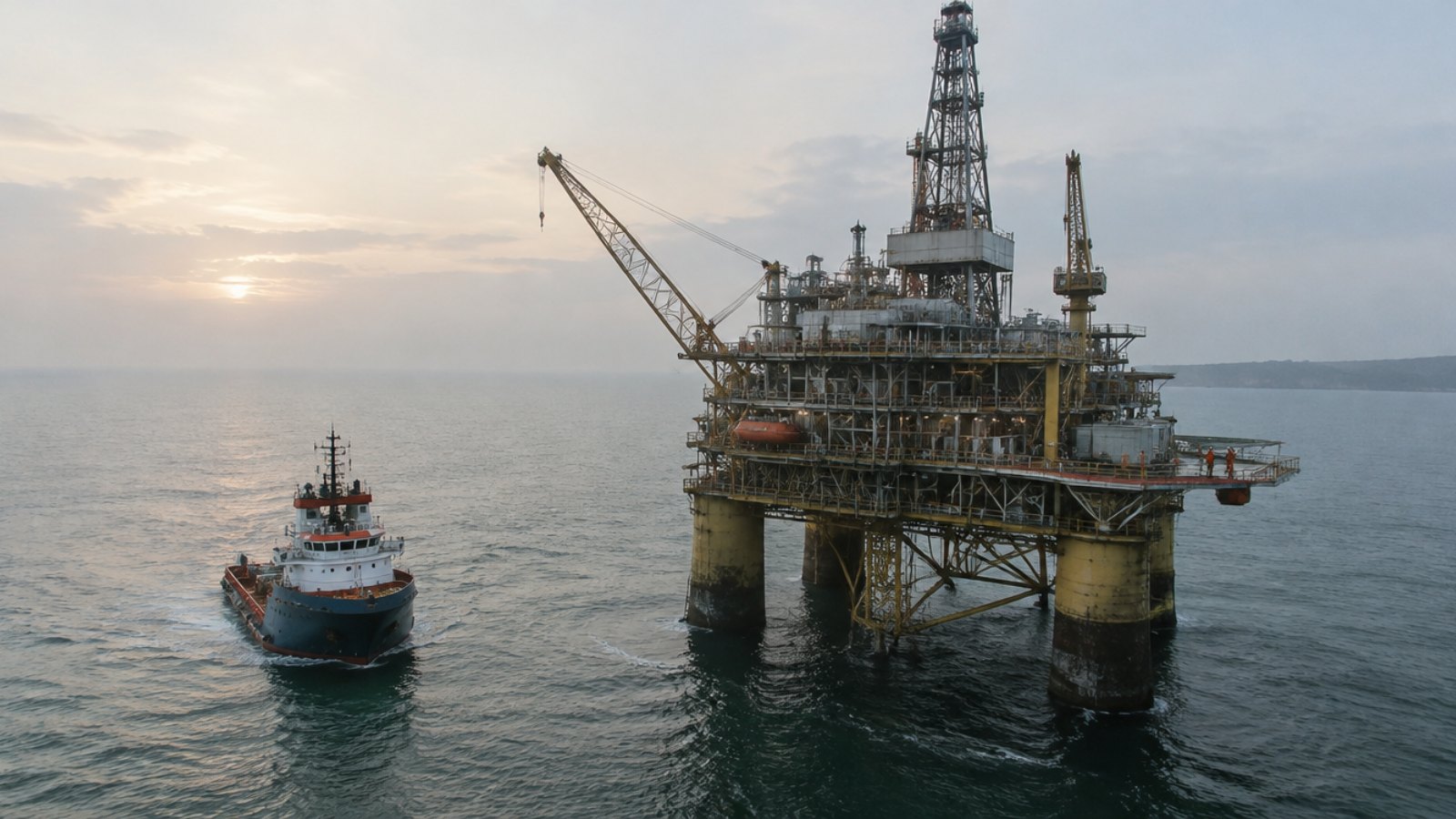
In Port-Gentil, an engineer at an oilfield services company has to send a drilling report in English to head office before noon. He pastes the document into an AI assistant to translate it. The text includes the well name, depths, measured pressures and the first test results. The report goes out on time. So does the data.
This is not mainly about personal data. It is about what gives an oil permit its value. And in a sector built on a long chain of subcontractors, every link can become a way out.
Oil, the backbone of Gabon's economy
Gabon is a member of OPEC and oil remains at the heart of its revenue. Port-Gentil is home to operators, logistics bases and service companies, while decisions are often made in Libreville or at head offices abroad.
The sector is governed by Law No. 002/2019 regulating the hydrocarbons sector. The state plays a growing role: in 2024, Gabon Oil Company completed the takeover of Assala Energy's assets. Operators, the state and partners therefore exchange sensitive data all the time, often in two languages.
The data that actually moves
On an ordinary day, teams handle information that is anything but trivial:
geoscience data: seismic, interpretations, reservoir maps;
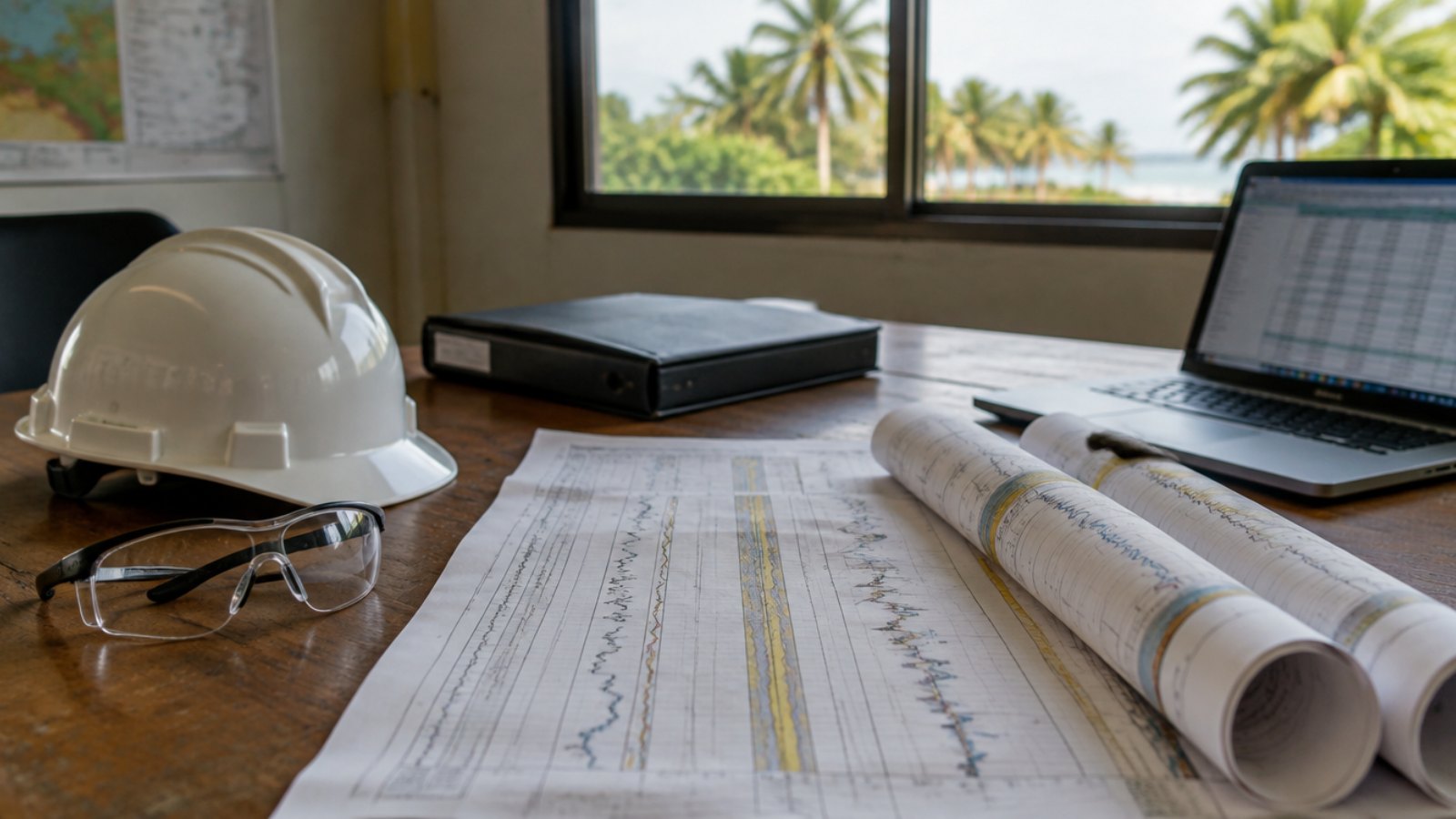
well data: logs, drilling reports, production tests;
commercial data: production sharing contracts, amendments, prices, bids in response to tenders;
HSE and HR data: incident reports, personnel on board lists, medical fitness records.
The first three fall under trade secrets and the confidentiality clauses that oil contracts usually contain. The last one directly affects workers' privacy.
Subcontractors, the most exposed link
A drilling campaign brings together service companies, engineering firms, consultants and sometimes freelancers. Many work on their own computers with their own AI accounts, outside the operator's control.
The pressure of the schedule does the rest. On a rig, every day costs money, and reports have to be turned around fast. For them, generative AI is very useful: translating between French and English, summarising a hundred page report, formatting a production table. But the operator does not know which tools are used or where its data goes. This is shadow AI applied to oil, and its cost is real, as our analysis of the real cost of shadow AI shows.
Language plays a big part. Teams constantly switch between the French used by the authorities and local contracts and the English used by head offices and technical reports. Translation is therefore the first use of AI in the sector, and the riskiest one, because people paste whole documents rather than a few lines. A single translated well report can reveal more about a field than months of public announcements.
What Gabonese law says
Two layers of rules apply. The first is contractual: technical data in principle belongs to the operator and the state, and its disclosure is governed by contracts. A subcontractor who sends it to an outside AI service may be in breach without knowing it.
The second concerns personal data. Law No. 001/2011, amended by Law No. 025/2023, applies to named incident reports, personnel lists and medical files. It is enforced by the Authority for the Protection of Personal Data and Privacy (APDPVP). As a rule, a transfer out of Gabon is only possible to a country with adequate protection. We cover these rules in our article on Law 001/2011 and data sovereignty.
Three common leak scenarios
The rush translation. A full drilling report pasted into a chatbot to save an hour.
The tender summary. A buyer asks the AI to compare bids from three contractors, prices included.
The production analysis. A spreadsheet of flow rates per well sent off to get charts or spot an anomaly.
In all three cases, nothing is hacked. The information leaves through a normal work gesture. Our article on the anatomy of an AI data leak walks through this mechanism step by step.
Measures that fit the sector
Classify data into three simple levels: public, internal, confidential. Seismic, reservoir and pricing data go into the last one.
Write AI into subcontracting contracts: approved tools, forbidden data, a duty to report incidents.
Provide approved tools, especially for translation, so nobody needs a personal account.
Control on the device: spot sensitive data at the moment of the prompt, then warn, block or anonymise.
Keep evidence of prevented incidents, useful with a partner, the state or the APDPVP.
Anonymisation is often the best option: replacing a well name, a coordinate or a person's name with a fake value in the same format lets the AI work without exposing the original. Our guide to format preserving anonymization explains how.
Key takeaways
In Gabon's oil sector, the most valuable data is technical and contractual.
Subcontractors use generative AI, often outside the operator's control.
Contracts and the amended Law 001/2011 apply together.
Control on the device, with anonymisation, protects data without slowing work down.
ZeusLock detects and anonymises sensitive data on the device, before it is sent to ChatGPT, Copilot or Gemini, and keeps a record of incidents. Book a demo to protect your oil and gas data and that of your subcontractors.
Protect your data from AI leaks
See ZeusLock stop sensitive data before it reaches ChatGPT, Claude, Gemini and more, in a 30-minute demo.